
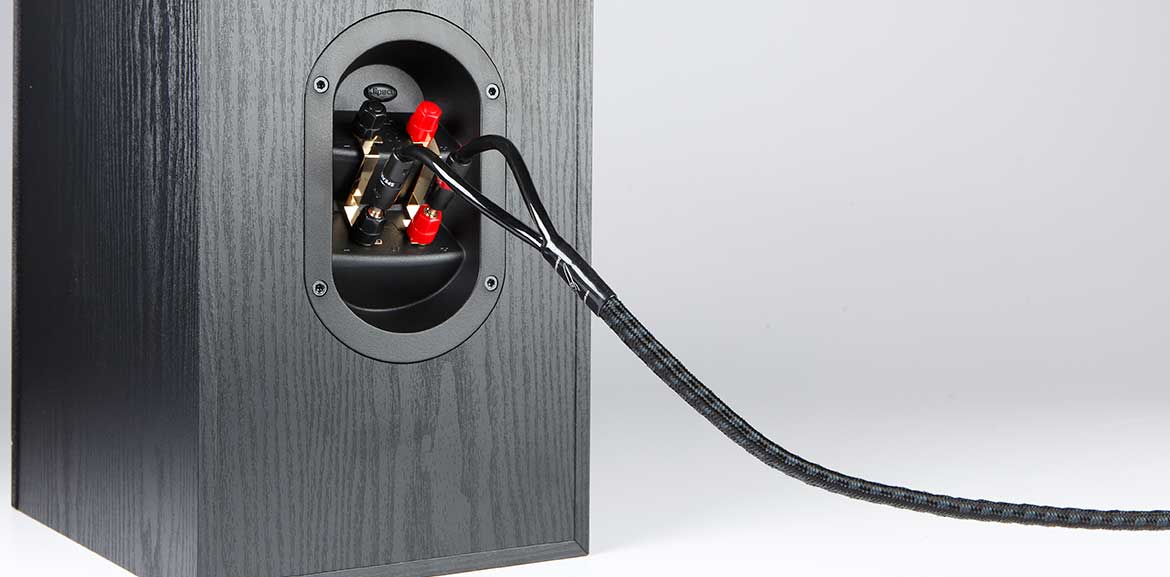
When building an audio system, choosing the right connection method between amplifiers and speakers is essential for achieving reliable performance and high-quality sound. Many people use the terms Speaker Wires and speaker cables interchangeably, but there are some differences in how these terms are commonly used. Understanding these differences can help homeowners, installers, and audio professionals select the right solution for their specific applications.
Both speaker wires and speaker cables serve the same primary purpose: transferring electrical audio signals from an amplifier or receiver to speakers. However, their construction, design, and applications can vary depending on system requirements.
What Are Speaker Wires?
Speaker Wires are basic electrical conductors designed to carry amplified audio signals from an audio source to speakers. They usually consist of two separate conductors covered with insulation, allowing the positive and negative connections to be easily identified.
Speaker wires are commonly used in:
- Home stereo systems
- Basic home theater setups
- Small audio installations
- Educational environments
- Simple commercial sound systems
Their straightforward construction makes them easy to install and cost-effective for many standard applications.
What Are Speaker Cables?
Speaker cables are a broader category of audio connection products designed specifically for speaker applications. They may include more advanced construction features, such as improved insulation, shielding, flexible jackets, and higher-quality conductors.
Speaker cables are often used in:
- Professional audio systems
- Recording studios
- Large commercial installations
- High-performance home theaters
- Live sound environments
These cables are typically designed to handle demanding applications where reliability and performance are important.
Construction Differences
The main difference between speaker wires and speaker cables is often related to construction quality and design features.
Speaker Wires
Basic speaker wires generally include:
- Two copper conductors
- Simple insulation
- Flexible design
- Color-coded polarity identification
They are suitable for short-distance applications where environmental challenges are limited.
Speaker Cables
More advanced speaker cables may include:
- Higher-quality copper conductors
- Improved insulation materials
- Stronger outer jackets
- Enhanced durability
- Better resistance to interference
These features make them suitable for professional and demanding audio environments.
Performance Considerations
The performance of both Speaker Wires and speaker cables depends on several factors, including conductor material, wire gauge, cable length, and installation quality.
Important factors include:
Wire Gauge
Thicker conductors generally provide lower resistance and better power transfer, especially over longer distances.
Cable Length
Longer runs require careful selection because resistance increases as cable length increases.
Conductor Quality
High-quality copper conductors help improve conductivity and maintain efficient signal transmission.
Installation Environment
Indoor, outdoor, and industrial environments may require different levels of cable protection.
Are Speaker Cables Better Than Speaker Wires?
Whether speaker cables are better than speaker wires depends on the application.
For simple residential audio systems, high-quality speaker wires may provide excellent performance at an affordable cost.
For professional or large-scale systems, advanced speaker cables may be preferred because they offer:
- Greater durability
- Better protection
- Improved reliability
- Suitability for longer cable runs
The best choice depends on the requirements of the audio system rather than the name used to describe the cable.
Choosing the Right Option for Home Audio
For most home applications, speaker wires are commonly used for:
- Television sound systems
- Stereo receivers
- Bookshelf speakers
- Small home theaters
When selecting speaker wires, consider:
- Speaker power requirements
- Cable distance
- Wire gauge
- Installation location
- Future system upgrades
A properly selected wire can deliver excellent performance for everyday listening.
Choosing the Right Option for Professional Systems
Professional installations often require cables that can handle continuous operation and more demanding conditions.
Applications such as:
- Concert venues
- Conference centers
- Commercial buildings
- Large entertainment spaces
may benefit from advanced speaker cable designs that provide additional protection and reliability.
Common Buying Mistakes
When selecting speaker connections, avoid these common mistakes:
- Choosing cables only based on price
- Using very thin wires for long distances
- Ignoring conductor quality
- Overlooking installation conditions
- Selecting unsuitable cables for high-power systems
Understanding your system requirements helps prevent performance issues.
Benefits of Using Quality Speaker Connections
Regardless of whether you choose speaker wires or speaker cables, quality materials provide important benefits:
- Better signal transmission
- Reduced power loss
- Improved sound clarity
- Longer service life
- More reliable system performance
Quality connections allow speakers and amplifiers to work together efficiently.
Conclusion
The difference between Speaker Wires and speaker cables mainly comes down to construction, durability, and intended application. Basic speaker wires are suitable for many home audio systems, while advanced speaker cables are designed for professional and demanding installations. The most important factors are wire gauge, conductor quality, cable length, and installation requirements. By choosing the right connection solution for your audio system, you can achieve reliable performance, clear sound reproduction, and long-lasting results.