Modern precision motion systems are widely used in industries such as automation, medical technology, semiconductor manufacturing, and optical engineering. As these systems become more advanced, long-term reliability and consistent performance have become key engineering priorities. Proper maintenance strategies help ensure stable operation, reduced downtime, and extended equipment lifespan.
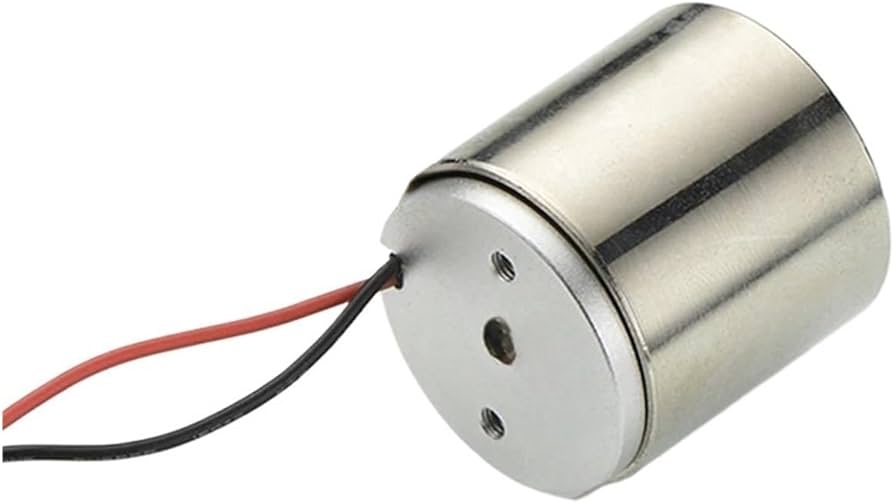
A voice coil motor is a direct-drive electromagnetic device that produces linear motion through the interaction of a magnetic field and a current-carrying coil. Because it eliminates mechanical transmission components such as gears and screws, it offers smooth, fast, and highly precise motion with minimal wear. Understanding the maintenance needs of a voice coil actuator is essential for ensuring long-term reliability in demanding applications.
Why Voice Coil Motors Are Low-Maintenance
One of the key advantages of voice coil technology is its simple mechanical structure. Unlike traditional actuators that rely on moving parts such as screws, belts, or gears, voice coil systems operate using electromagnetic force without physical contact between transmission components.
This leads to:
- Reduced mechanical wear
- Fewer components requiring lubrication
- Lower risk of mechanical failure
- Longer operational life under proper conditions
Because there are fewer friction points, maintenance requirements are significantly lower compared to conventional systems.
Routine Inspection and Maintenance Practices
Although voice coil motors are low-maintenance devices, regular inspections are still necessary to ensure optimal performance and reliability over time.
Electrical System Checks
The electrical system is critical for consistent operation. Regular inspection helps detect early signs of issues such as overheating or connection degradation.
Key checks include:
- Coil resistance stability
- Integrity of wiring and connectors
- Signs of insulation wear
- Stable current response under load
Any electrical irregularities can directly affect motion accuracy and force output.
Thermal Management Monitoring
Heat generation is a natural result of electromagnetic operation. If not properly controlled, excessive heat can reduce efficiency and shorten component lifespan.
Recommended practices include:
- Monitoring coil temperature during operation
- Maintaining appropriate duty cycles
- Ensuring proper cooling or heat dissipation
- Avoiding continuous overload conditions
Stable thermal conditions help maintain consistent performance.
Mechanical Alignment and Structural Stability
Even though there is no mechanical transmission system, proper alignment is still essential for optimal performance.
Important considerations include:
- Correct alignment between coil and magnetic assembly
- Prevention of side loading forces
- Use of rigid mounting structures
- Proper guidance systems such as linear bearings or flexures
Misalignment can reduce efficiency and lead to uneven wear on supporting components.
Factors Affecting Reliability
The long-term reliability of a voice coil motor depends on both design quality and operating conditions. While inherently durable, certain external factors can influence performance.
Operating Environment
Environmental conditions such as dust, humidity, and vibration can impact system stability. Protective enclosures and controlled environments help mitigate these risks.
Duty Cycle and Load Conditions
Continuous high-load operation can increase thermal stress. Proper system design should account for:
- Peak load vs. continuous load requirements
- Acceleration and deceleration cycles
- Maximum allowable duty cycle
Power Supply Stability
Unstable power supply conditions can lead to inconsistent performance and reduced accuracy. A regulated and stable current source is essential for long-term reliability.
Best Practices for Long-Term Performance
To maximize lifespan and ensure consistent operation, engineers typically follow several best practices:
- Implement proper thermal management systems
- Use real-time monitoring for temperature and current
- Maintain clean operating environments
- Avoid exceeding rated force and stroke limits
- Conduct periodic electrical and mechanical inspections
These practices help reduce unexpected failures and improve system reliability.
Advantages of Proper Maintenance
When properly maintained, voice coil motors offer significant long-term benefits compared to traditional mechanical systems.
These include:
- Consistent precision over long operating periods
- Minimal performance degradation
- High repeatability in cyclic operations
- Reduced downtime and maintenance costs
- Stable force output across the lifecycle
This makes them especially valuable in industries where reliability is critical.
Conclusion
Voice coil motors are inherently low-maintenance due to their simple, non-contact electromagnetic design. However, maintaining electrical integrity, managing heat, and ensuring proper alignment are essential for achieving long-term reliability.
With proper care and operating conditions, these systems deliver consistent, high-performance motion control, making them a dependable choice for advanced industrial and precision applications.