
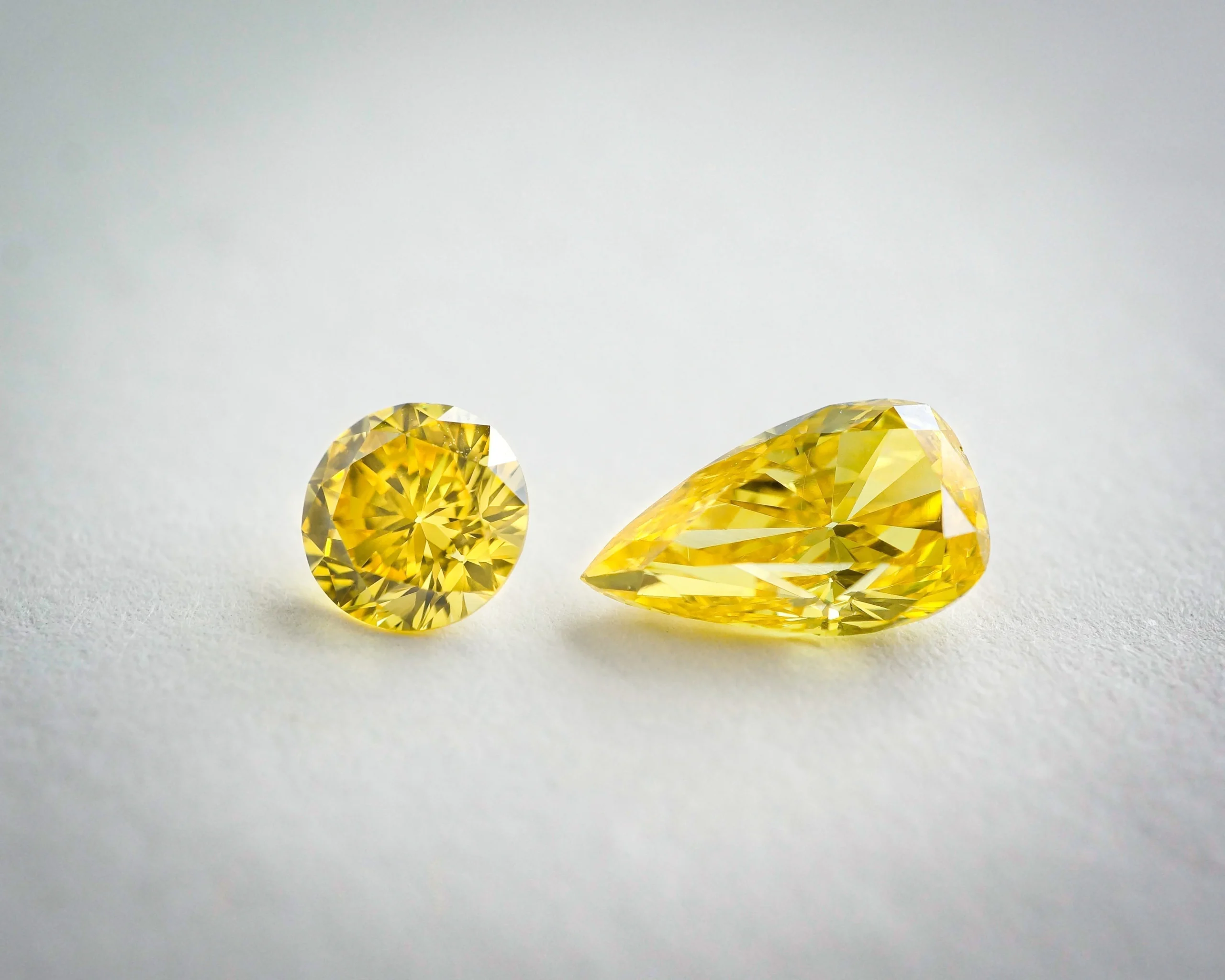
Introduction to Selecting the Right Diamond
Choosing a high-quality yellow lab grown diamond requires more than just selecting an attractive gemstone. It involves understanding how these diamonds are created, graded, and evaluated in terms of color, clarity, cut, and overall craftsmanship. As lab grown diamonds continue to grow in popularity, buyers are becoming more interested in making informed decisions that ensure both beauty and value. A well-chosen diamond not only enhances jewelry design but also reflects personal style and long-term satisfaction.
Understanding What Makes Yellow Lab Grown Diamonds Unique
Yellow lab grown diamonds are created in controlled laboratory environments using advanced technological processes that replicate natural diamond formation. Their distinctive yellow color is achieved by carefully managing nitrogen levels during growth, which influences how the crystal absorbs and reflects light. This results in a wide range of yellow shades, from soft pastel tones to deep, rich golden hues.
When exploring options such as yellow lab grown diamonds, buyers will notice that quality can vary depending on production methods and grading standards. Understanding these differences is essential for selecting a diamond that meets both aesthetic expectations and budget requirements. Each diamond’s unique combination of color intensity, clarity, and cut contributes to its overall value and appearance.
Evaluating Color Quality and Intensity
Color is one of the most important factors when choosing a yellow lab grown diamond. Unlike colorless diamonds, where absence of color is preferred, yellow diamonds are valued for their richness and saturation. The Gemological Institute of America (GIA) and other grading bodies classify yellow diamonds based on color intensity, ranging from faint to fancy vivid.
A high-quality yellow lab grown diamond should have a vibrant and even color distribution. Uneven or patchy coloration can reduce its visual appeal and value. Buyers should look for diamonds that display a strong, consistent yellow hue without unwanted secondary tones such as brown or green.
Importance of Cut for Brilliance
The cut of a diamond plays a crucial role in determining how much light it reflects and how brilliant it appears. Even a diamond with excellent color can appear dull if it is poorly cut. For yellow lab grown diamonds, a precise cut enhances both sparkle and color saturation.
Well-cut diamonds reflect light in a way that intensifies their yellow tone while maximizing brilliance. Popular cuts such as round, cushion, and radiant are often preferred because they enhance color depth and light performance. When selecting a diamond, it is important to ensure that symmetry, proportion, and polish are carefully evaluated.
Clarity and Internal Characteristics
Clarity refers to the presence of internal inclusions or external blemishes within a diamond. While lab grown diamonds generally have fewer inclusions than natural stones due to controlled production environments, clarity still plays an important role in overall quality.
For yellow lab grown diamonds, higher clarity grades result in cleaner appearance and better light reflection. However, minor inclusions are often not visible to the naked eye and may not significantly affect beauty. Buyers should balance clarity with other factors such as color and cut when making their selection.
Choosing the Right Carat Weight
Carat weight measures the size of a diamond and has a direct impact on its visual presence and price. Larger diamonds are more noticeable and often more expensive, but size alone does not determine quality. A smaller diamond with excellent color and cut can appear more beautiful than a larger stone with poor proportions.
When selecting yellow lab grown diamonds, buyers should consider how the carat weight fits into the overall jewelry design. For example, engagement rings may benefit from a balanced combination of size and brilliance, while statement pieces may prioritize larger stones for visual impact.
Certification and Quality Assurance
Certification is an important aspect of choosing a high-quality diamond. Reputable grading laboratories provide detailed reports that evaluate color, clarity, cut, and carat weight. These certificates help buyers verify authenticity and ensure that the diamond meets industry standards.
Although not all lab grown diamonds are individually certified, especially smaller ones, reputable suppliers often provide batch-level grading information. This transparency helps buyers make informed decisions and reduces the risk of inconsistent quality.
Comparing Lab Grown and Natural Options
Understanding the difference between lab grown and natural yellow diamonds is also important when making a selection. Lab grown diamonds offer identical physical and chemical properties to natural diamonds but are created in a controlled environment. This allows for greater consistency and affordability.
Natural yellow diamonds, on the other hand, are rare and often more expensive due to their geological formation process. Both options have their advantages, and the choice depends on budget, ethical considerations, and personal preference.
Practical Buying Tips
When choosing a yellow lab grown diamond, buyers should always compare multiple options before making a final decision. Viewing diamonds under different lighting conditions can help assess their true color and brilliance. It is also recommended to request high-resolution images or videos when shopping online.
Working with reputable suppliers ensures better quality control and more reliable customer support. Buyers should also consider return policies, warranty options, and upgrade possibilities when making a purchase.
Conclusion
Choosing a high-quality yellow lab grown diamond requires careful evaluation of color, cut, clarity, carat weight, and certification. By understanding these key factors, buyers can make informed decisions that balance beauty, value, and durability. As lab grown diamonds continue to evolve, they offer an increasingly attractive alternative to natural stones, combining scientific precision with stunning visual appeal.