

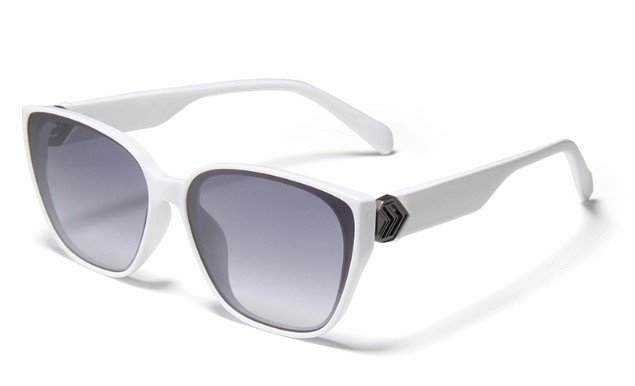
Creating a new sunglasses design involves more than choosing a frame shape and color. Manufacturers need clear information about the concept, intended wearer, materials, dimensions, and functional requirements before production can begin.
A reliable custom sunglasses manufacturer uses these details to turn an initial idea into a practical product. The more complete the design information, the easier it becomes to evaluate feasibility, prepare samples, and reduce unnecessary revisions during development.
A Clear Design Concept
The first requirement involves a clear concept. A brand should explain what the new sunglasses should look like and what makes the design different from existing products.
A basic concept may include a sketch, reference images, an existing frame for inspiration, or a written description. Even a rough idea gives the manufacturer a starting point for discussing the design.
Useful details may include:
- Frame shape and overall appearance
- Lens shape and size
- Temple design
- Decorative elements
- Logo placement
- Preferred colors and finishes
- Intended customer group
A clear concept helps the manufacturing team understand the direction before technical development begins.
Frame Dimensions and Measurements
Sunglasses require accurate measurements to achieve the desired appearance and fit. Manufacturers need dimensional information to determine whether a proposed design works within practical production limits.
Important measurements can include frame width, lens width, bridge size, temple length, and lens height. Brands may provide these specifications directly or ask the manufacturer to develop suitable dimensions based on a reference design.
The manufacturer may also recommend adjustments when certain proportions could affect comfort, durability, or production efficiency.
Material Preferences
The choice of material affects the look, weight, durability, cost, and manufacturing process of a sunglasses frame. A new design therefore needs a clear material direction whenever possible.
Common options include acetate, injected plastics, metal, stainless steel, and combinations of different materials. Each option offers different characteristics and production requirements.
For example, a brand seeking a premium appearance may prefer high-quality acetate, while another collection may focus on lightweight construction or efficient large-volume production.
Lens Requirements
The lens details also matter during the design stage. A manufacturer needs to know what type of lenses the finished sunglasses should accommodate.
The brand may specify requirements related to lens color, tint, shape, thickness, polarization, UV protection, or optical performance. These details help the manufacturer develop the frame and lens combination correctly.
Brands should also clarify whether the sunglasses target everyday fashion use, outdoor activities, driving, sports, or another specific application.
Target Market and Customer Profile
A new design should match the people who will eventually wear it. Sharing information about the target market helps the manufacturer make more suitable recommendations.
For example, a brand targeting younger customers may prefer bold shapes and distinctive finishes. A collection aimed at a professional audience may require a more understated design.
Information about customer preferences, price positioning, age range, and intended market can help guide decisions throughout development.
Branding and Decorative Details
Custom sunglasses often include visual elements that distinguish one brand from another. Manufacturers need these details before finalizing the design.
Brands should provide artwork or specifications for logos, engravings, metal plaques, temple graphics, patterns, and other identifying features. The manufacturer can then determine the most suitable production method and placement.
Eugenia Eyewear, for example, can serve as a reference point for brands exploring custom eyewear development and production requirements.
Technical Drawings or Reference Samples
A professional manufacturer does not always require a finished technical drawing from the customer. However, detailed drawings or physical references can make the development process more efficient.
A technical drawing can show measurements, angles, thicknesses, hinge positions, and other construction details. A physical sample can also help communicate the desired shape and proportions.
When a brand only has sketches or inspiration images, the manufacturer may help convert those ideas into production-ready specifications.
Expected Quantity and Production Plans
Order expectations can influence how a new design moves through development. A brand should provide an estimated quantity or explain its expected production scale.
Manufacturing requirements may differ for a small initial order compared with a larger wholesale production run. Quantity expectations can affect material planning, sampling, tooling considerations, and production arrangements.
Providing this information early helps the manufacturer recommend a practical development approach.
Sample and Revision Expectations
New sunglasses designs usually require a sampling stage before bulk production. A sample allows the brand to inspect the shape, proportions, materials, colors, finishing, and overall appearance.
Brands should prepare to provide specific feedback after reviewing the sample. Clear comments help the manufacturer understand what needs to change rather than relying on general instructions.
Several design adjustments may occur before the final version meets the brand’s expectations. A structured review process helps keep those revisions manageable.
What Should a Brand Prepare Before Contacting a Manufacturer?
A brand does not need every technical specification finalized before starting a conversation. However, having key information ready can make the initial discussion more productive.
A useful preparation checklist includes:
- Basic design concept or sketches
- Reference images or sample frames
- Desired frame measurements
- Preferred materials
- Lens requirements
- Color and finishing preferences
- Branding details
- Target customer profile
- Expected order quantity
- Desired development timeline
Having these details available gives the manufacturer a clearer picture of the project and makes it easier to identify missing information.
How Manufacturers Evaluate a New Sunglasses Design
After receiving the design information, the manufacturer typically reviews whether the concept works from a production perspective. This evaluation may cover dimensions, materials, construction, component compatibility, finishing options, and manufacturing complexity.
Some designs may look straightforward but require specialized processes or additional development work. Early technical discussion helps identify these issues before the project reaches the production stage.
The manufacturer may also suggest small changes that preserve the original concept while improving comfort, durability, appearance, or production efficiency.
Why Complete Design Information Matters
Incomplete specifications can lead to misunderstandings during sampling. A frame may receive the wrong proportions, finish, material, or branding treatment when important details remain unclear.
Clear communication reduces this risk. It also helps both the brand and manufacturer establish realistic expectations for samples, revisions, costs, and production.
A well-prepared design brief therefore provides value even when the original concept starts as a simple sketch.
Final Thoughts
Starting a new sunglasses design requires a combination of creative direction and practical information. A clear concept, accurate dimensions, suitable materials, lens requirements, branding details, and target-market information give the manufacturer a strong foundation.
Brands do not need to solve every technical challenge alone. An experienced manufacturing partner can help evaluate the concept, recommend suitable options, develop samples, and refine the design before larger production begins. Working collaboratively from the start gives a new sunglasses collection a better chance of meeting both customer expectations and manufacturing requirements.