Fire safety systems are essential components of modern building infrastructure, especially in high-rise buildings and large commercial complexes. Among these systems, riser systems play a crucial role in delivering water quickly and efficiently to different floors during a fire emergency. They ensure that firefighters have immediate access to a pressurized water supply, even in tall structures where external access is limited.
In densely built urban environments such as Singapore, strict fire safety regulations require buildings to be equipped with efficient internal firefighting systems. One of the most important components of this setup is the riser system, which is often installed and maintained by professionals providing services like Wet and Dry Riser.
Understanding Wet and Dry Riser Systems
Wet and dry riser systems are vertical pipe networks installed inside buildings to supply water for firefighting purposes. These systems are designed to deliver water to different floors quickly during an emergency, reducing the time needed for firefighters to set up external water sources.
A riser system typically consists of a main vertical pipe running through the building, with outlet valves on each floor. Firefighters connect hoses to these outlets to access water instantly.
The system is divided into two types: wet risers and dry risers. Each type serves a different purpose depending on the building height, water availability, and local fire safety regulations.
What Is a Wet Riser System?
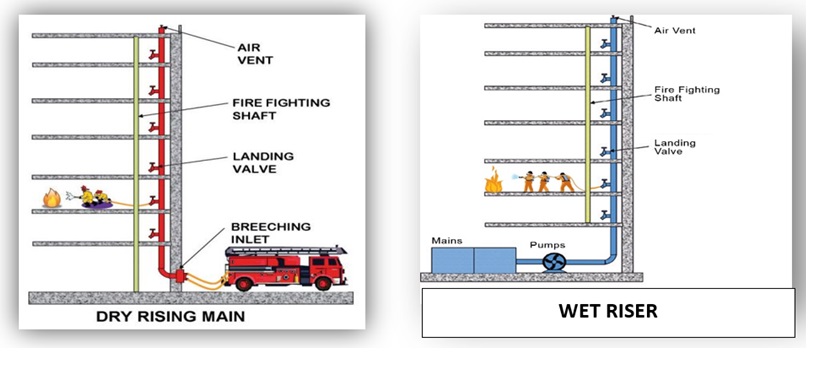
A wet riser system is a permanently water-filled pipe network. It is connected directly to a reliable water supply, such as a storage tank and pump system.
When a fire occurs, the system is already pressurized and ready for immediate use. Firefighters simply connect hoses to the landing valves on each floor and begin firefighting operations.
Wet risers are typically installed in high-rise buildings where rapid response is critical. They are maintained under constant pressure to ensure instant water availability.
Regular inspection and maintenance are required to ensure pumps, valves, and pipes remain in working condition.
What Is a Dry Riser System?
A dry riser system, unlike a wet riser, is normally empty of water. It is filled with water only when needed during an emergency.
Firefighters connect a water supply from external fire engines to the inlet valve at ground level. The water is then pumped through the riser pipe to different floors.
Dry risers are commonly used in buildings of medium height where constant water pressure is not required.
They are especially useful in situations where freezing temperatures or maintenance concerns make wet systems less practical.
Key Differences Between Wet and Dry Risers
The main difference between wet and dry riser systems is the presence of water in the pipes. Wet risers are always filled and pressurized, while dry risers remain empty until activated.
Wet risers are typically used in taller buildings, whereas dry risers are installed in medium-rise structures.
Wet systems provide faster response times since water is immediately available. Dry systems require external connection and pumping before use.
Both systems are designed to improve firefighting efficiency, but their applications depend on building design and fire safety requirements.
Components of Riser Systems
Both wet and dry riser systems share several key components that ensure proper operation during emergencies.
The vertical main pipe is the central structure that distributes water across floors.
Landing valves are installed on each floor and allow firefighters to connect hoses quickly.
Inlets and outlets provide connection points for water supply and firefighting equipment.
Pressure gauges and control valves help monitor system performance and ensure safe operation.
All components must be regularly inspected to ensure reliability during emergencies.
Importance of Wet and Dry Riser Systems in Fire Safety
Riser systems are critical for ensuring fast and efficient firefighting in multi-storey buildings. They reduce the time required to transport water to upper floors, allowing firefighters to respond more effectively.
In emergencies, every second matters. Riser systems ensure that water is available exactly where it is needed, minimizing fire spread and damage.
They also enhance firefighter safety by reducing the need for long hose setups and external water sourcing.
In high-rise environments, riser systems are often the primary water supply for firefighting operations.
Maintenance and Inspection Requirements
Regular maintenance is essential to ensure riser systems function properly when needed.
Wet risers must be checked for water pressure, leaks, and pump performance. Tanks and valves must also be inspected regularly.
Dry risers require testing to ensure that inlet and outlet valves are free from blockages and operate correctly.
Periodic pressure tests are conducted to confirm system integrity and reliability.
Maintenance records must be documented to ensure compliance with fire safety regulations.
Fire Safety Regulations and Compliance
Fire safety authorities require buildings to install riser systems based on height and occupancy type.
Strict regulations ensure that these systems are properly designed, installed, and maintained.
Non-compliance can result in penalties, legal consequences, and increased risk during emergencies.
Regular audits and inspections help ensure that all riser systems meet required safety standards.
Role of Riser Systems in Emergency Response
During a fire emergency, riser systems serve as a lifeline for firefighters. They provide immediate access to water on different floors, enabling quick suppression of flames.
Wet risers allow instant response, while dry risers provide flexibility for external water supply connection.
Their effectiveness directly impacts the speed and success of firefighting operations.
Properly functioning riser systems can prevent small fires from escalating into major disasters.
Conclusion
Wet and dry riser systems are essential components of modern fire safety infrastructure. They ensure that water is available quickly and efficiently during emergencies, especially in multi-storey buildings.
Understanding how these systems work and maintaining them properly is crucial for ensuring safety, compliance, and effective emergency response. With regular inspection, proper installation, and adherence to safety standards, riser systems play a vital role in protecting lives and property from fire hazards.