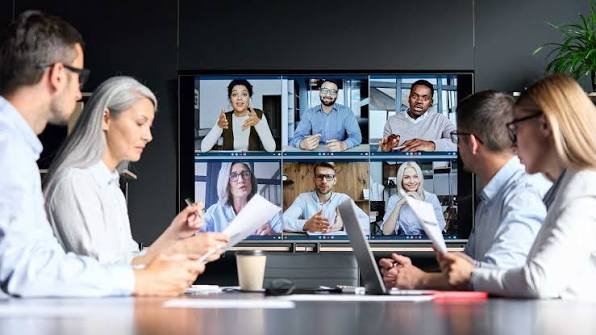
The way people work has changed. Many companies now allow employees to work from the office on some days and from home on others. This flexible approach, known as a Hybrid Workforce, helps businesses balance employee needs with business goals.
However, managing a hybrid team comes with its own challenges. HR teams need to track attendance across different locations, managers must maintain productivity, and leaders need to keep employees connected even when they are not in the same office.
Technology can help businesses manage these challenges. From biometric attendance systems to employee performance tools, the right solutions can make hybrid work easier to manage.
In this article, we explore how biometric attendance, productivity tracking, and effective leadership can help businesses manage a hybrid workforce.
What is a Hybrid Workforce?
A hybrid workforce is a team in which employees divide their working time between the office and remote locations, such as their homes. The schedule may follow fixed office days, flexible arrangements, or team-based requirements.
For example, a company may ask employees to work from the office three days a week and work remotely for the remaining two days. Another business may allow teams to choose their office days based on their roles and responsibilities.
A hybrid work model can offer several benefits:
- Greater flexibility: Employees can balance work with personal responsibilities.
- Better employee experience: Flexible arrangements may improve job satisfaction.
- Access to wider talent: Businesses can consider candidates who live outside their office location.
- Lower office costs: Some companies may need less office space when fewer employees attend each day.
Let’s understand more about the hybrid workforce by understanding the difference between the traditional and hybrid workforce.
| Comparison Factor | Traditional Workforce | Hybrid Workforce |
| Work Location | Employees primarily work from the office. | Employees work from both office and remote locations. |
| Attendance Tracking | Attendance is usually recorded through office-based systems. | Attendance may be tracked through biometric devices and approved digital tools. |
| Work Schedule | Employees generally follow fixed office schedules. | Employees may follow flexible or agreed office and remote work schedules. |
| Communication | Relies more on face-to-face meetings and office interactions. | Combines in-person meetings with online communication tools. |
| Productivity Tracking | Managers assess work through attendance, supervision, and results. | Managers focus on goals, deliverables, and work outcomes across locations. |
| Technology Requirements | Office-based systems may meet basic operational needs. | Requires tools that support attendance, collaboration, and remote work. |
However, these benefits depend on clear policies, suitable technology, and good communication between employees and managers.
Read also: Best Contract Labour Management Software in India
How Can Businesses Manage Attendance in a Hybrid Workforce?
The process of attendance management becomes more difficult as employees work from various locations. The current system of attendance registers fails to provide adequate flexibility because it cannot track employees who work from home or follow various work schedules and visit their office location. Let’s understand how attendance is managed in a hybrid workforce, as defined below:
1. Set Clear Attendance Rules
The organization needs to establish specific days for office attendance while permitting home-based work and defining standard operating hours with official communication procedures.
2. Use Digital Attendance Tools
The system allows employees to track their attendance through digital solutions that their organization has approved. The tools enable HR teams to maintain employee attendance records while their staff members operate from multiple different locations.
3. Track Office Attendance With Biometric Devices
The organization needs biometric devices that match their requirements to handle their employee attendance tracking system for office attendance. The systems enable employee verification through identity checks while they automatically track their entry and exit timestamps.
4. Manage Remote Work Records
Provide an approved method for employees to record attendance when working from home. The process needs to follow all corporate rules while keeping its surveillance of employees to an absolute minimum.
5. Connect Attendance With Leave Management
The organization needs to maintain its approved leave records in perfect alignment with its attendance tracking information. The system enables HR teams to maintain correct records while they access suitable attendance data for their payroll operations.
How Does Biometric Attendance Software Support Hybrid Work?
The biometric attendance software verifies employee identity through fingerprint and facial recognition which employees use to record their attendance. The system allows businesses to track their office attendance through proper device and system integration which operates with their existing systems.
1. Reliable Identity Verification
Biometric devices help confirm that the person recording attendance is the authorized employee. The system allows employees to record their attendance, which prevents staff members from creating false attendance records.
2. Accurate Attendance Records
The biometric systems that work together with each other track employee attendance by recording their clock-in and clock-out activities. The documents function as evidence that enables HR teams to monitor employee attendance and their total working time.
3. Less Manual Entry
Biometric attendance systems replace paper registers and manual attendance sheets that organizations use for attendance tracking. The system enables HR staff to save time while simultaneously reducing their chances of making data entry errors.
4. Better Payroll Support
Attendance records enable HR teams to determine the correct number of payable days and total working hours for employees. The system connects with payroll systems to process salary payments through its established information network.
5. Centralized Attendance Reporting
The system provides managers with supported dashboards and reports that enable them to access attendance information through a single platform.
How Can Businesses Maintain Productivity in a Hybrid Workforce?
The performance of a hybrid workplace needs to be evaluated through actual work results instead of tracking employee time spent online. Employees have three options to complete their work as they can focus remotely, join office meetings or work together with colleagues who work from different locations.
1. Set Clear Goals and Expectations
Employees should understand their responsibilities, deadlines, and expected results. Managers should define targets that they can track through ongoing performance assessment sessions. This helps staff members to keep their focus on work duties no matter what their current location might be.
2. Use Collaboration Tools
The combination of video meetings with messaging platforms, shared documents and project management tools enables staff members to work on their assigned tasks. Organizations need to create specific rules for their communication activities and meeting sessions as these guidelines will help them prevent unnecessary work interruptions.
3. Review Work Outcomes
Managers need to direct their attention toward finished work assignments, work quality, deadline achievement and business objective advancement. The information from attendance tracking programs helps organizations schedule their work hours and handle employee payment.
4. Support Employee Well-Being
Remote employees must deal with isolation as they cannot see their coworkers, yet office staff members encounter continuous workplace disturbances. The workplace needs to support employee health by allowing them to work appropriate hours while taking regular breaks and maintaining open lines of communication.
5. Provide the Right Technology
Employees require dependable equipment with protected system entry points and appropriate work-related instruments for their specific duties. Teams achieve better results through technology as it allows them to reduce their time spent on technical problems which enables them to focus on their actual work responsibilities.
What Role Does Leadership Play in Hybrid Workforce Management?
Hybrid teams need powerful leadership to achieve common goals as their members operate in separate physical locations. Organizations must establish trust through managers who deliver precise messages while maintaining equal treatment for all employees who work both remotely and in the office.
Here are five leadership practices that can support a hybrid workforce:
- Build trust: Give employees the flexibility to manage their work while holding them accountable for agreed results.
- Communicate regularly: Teams need to receive continuous updates about their work priorities, organizational changes and business information that becomes available.
- Treat employees fairly: Provide remote employees with equal opportunities to access information, receive recognition and advance their careers.
- Encourage collaboration: Should create environments that enable employee teamwork via idea exchange between those who work at different office sites.
- Provide regular feedback: Provide basic feedback to employees via scheduled individual meetings that help employees recognize their work achievements while they identify their challenges and determine their required professional development skills.
Leaders should also review hybrid work policies regularly as organizations need to evaluate employee feedback with business needs and team performance results to understand which elements operate correctly and which require adjustments.
Conclusion:
Overall, a successful hybrid workforce needs more than flexible work arrangements. Businesses must establish clear attendance policies, support employee productivity, and develop leadership practices that keep teams connected.
Biometric attendance systems can help record office attendance, while suitable digital tools can support remote work records, payroll processes, and employee management. At the same time, productivity should be assessed through work outcomes, communication, and employee well-being.
With the right policies and HR technology, businesses can create a hybrid work environment that supports both operational needs and employee flexibility.
Looking to simplify attendance and HR management?
Explore Savvy HRMS and book a free demo to see how its HR modules can support your workforce management needs.