

Surveillance technology has evolved into two major categories: traditional CCTV systems and modern IP-based camera networks. While both serve the same purpose—security monitoring—they use different transmission methods and infrastructure. This makes compatibility an important factor when selecting system components.
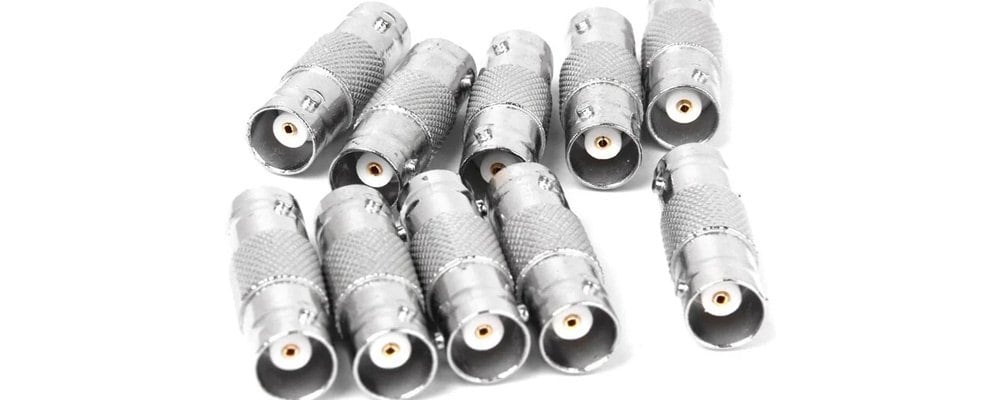
A key element that helps bridge these systems is the camera cable connector, which ensures stable connections between cameras, cables, and recording devices. In many installations, a reliable camera cable connector is essential for maintaining performance across both CCTV and IP camera setups.
Understanding System Differences: CCTV vs IP Cameras
Before discussing compatibility, it is important to understand how CCTV and IP systems differ.
CCTV Systems (Analog/HD-over-Coax)
- Use coaxial cables for video transmission
- Require separate power cables
- Connect to DVR systems
- Offer stable, direct signal transmission
IP Camera Systems
- Use Ethernet cables for data transmission
- Often support Power over Ethernet (PoE)
- Connect to NVR systems or cloud storage
- Provide higher resolution and advanced features
Because these systems use different technologies, connectors must be carefully selected to match each type.
Role of Camera Cable Connectors in Compatibility
Camera cable connectors act as the interface between system components. Their role becomes especially important in mixed or upgraded surveillance systems.
They help by:
- Ensuring proper signal transfer between devices
- Supporting different transmission standards
- Maintaining stable power delivery
- Reducing installation complexity
Without proper connectors, integrating CCTV and IP systems becomes more difficult and less reliable.
Compatibility with CCTV Systems
In traditional CCTV setups, connectors are primarily responsible for video and power transmission through coaxial infrastructure.
Key Connector Functions in CCTV
- Secure video signal transfer from camera to DVR
- Stable power delivery through DC connectors
- Resistance to signal interference
- Support for long-distance transmission
BNC connectors are commonly used in CCTV systems due to their secure locking mechanism and stable signal performance.
Compatibility with IP Camera Systems
IP camera systems rely on digital communication over Ethernet networks. In this case, connectors must support both data and power transmission.
Key Connector Functions in IP Systems
- Data transmission through network cables
- Power over Ethernet (PoE) support
- Stable connection between camera and NVR
- High-speed signal handling
RJ45 connectors are standard in IP systems and are designed to handle both video data and electrical power through a single cable.
Hybrid Surveillance Systems and Connector Flexibility
Many modern security installations use hybrid systems that combine CCTV and IP cameras. This allows users to upgrade gradually without replacing the entire infrastructure.
Why Connectors Matter in Hybrid Systems
Camera cable connectors help hybrid systems function smoothly by:
- Supporting multiple camera types
- Allowing integration of analog and digital devices
- Reducing system redesign costs
- Simplifying expansion and upgrades
Hybrid setups require careful planning to ensure all connectors match system requirements.
Key Compatibility Challenges
Combining CCTV and IP systems introduces several technical challenges.
Signal Format Differences
Analog video signals and digital data streams require different transmission methods and connector types.
Power Requirements
CCTV systems often use separate power supplies, while IP systems may use PoE through Ethernet connectors.
Infrastructure Differences
Coaxial and Ethernet cables require different connectors, making compatibility dependent on system design.
Integration Complexity
Without proper connectors, integrating both systems into a single network can lead to performance issues.
Types of Camera Cable Connectors Used in Both Systems
Different connector types are used depending on the system architecture.
BNC Connectors
Used in CCTV systems for secure video transmission over coaxial cables.
RJ45 Connectors
Used in IP systems for both data and power transmission over Ethernet cables.
DC Power Connectors
Provide power to cameras in CCTV systems and some hybrid setups.
F-Type Connectors
Occasionally used in coaxial-based video transmission systems for extended cable runs.
Best Practices for Ensuring Compatibility
Proper planning and installation are essential for achieving compatibility between CCTV and IP systems.
Choose the Right Connector for Each System
Each system type requires specific connectors designed for its transmission method.
Use Hybrid-Compatible Equipment
Hybrid DVRs or NVRs can support multiple camera types when paired with correct connectors.
Maintain Proper Wiring Standards
Avoid mixing incompatible cables and connectors within the same signal path.
Test System Integration
Ensure all devices communicate properly before final deployment.
Benefits of Proper Connector Compatibility
When camera cable connectors are correctly matched, surveillance systems benefit in several ways.
Improved System Integration
Different camera types can operate together without performance issues.
Reduced Installation Costs
Existing infrastructure can often be reused during upgrades.
Enhanced Flexibility
Systems can be expanded or upgraded without major rewiring.
Stable Performance
Proper connectors ensure consistent video quality and reliable operation.
Conclusion
Camera cable connector compatibility plays a critical role in integrating CCTV and IP camera systems. As surveillance technology continues to evolve, the ability to connect different system types efficiently has become increasingly important.
By selecting the correct connectors and ensuring proper installation, users can achieve seamless integration, improved system performance, and greater flexibility in both traditional and modern surveillance environments.