

Accurate weather forecasting is essential for agriculture, transportation, disaster management, and environmental research. At the core of reliable forecasts are sensors that measure fundamental atmospheric parameters such as temperature and humidity. These measurements form the basis for predicting weather patterns, identifying climate trends, and issuing timely alerts to minimize risks associated with extreme weather events. Temperature and humidity sensors play a critical role in ensuring that forecasts are precise and actionable.
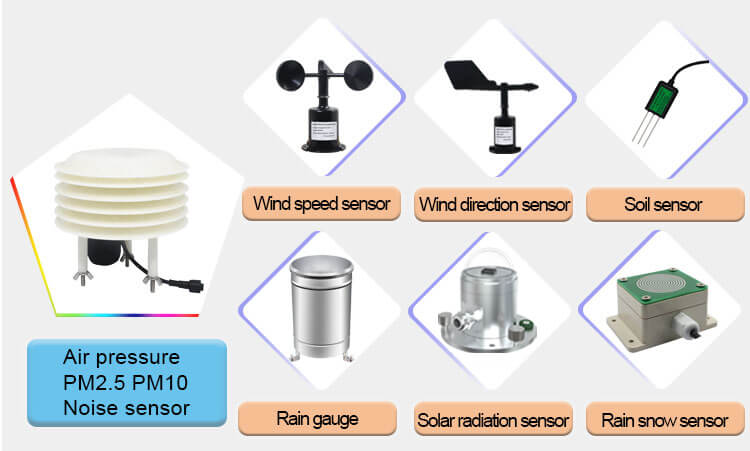
Modern weather monitoring systems rely on Weather Station Sensors to capture real-time environmental data. These sensors provide continuous, high-accuracy readings of temperature and humidity, which are essential for developing weather models and forecasts. Their ability to operate reliably under varying environmental conditions makes them indispensable tools for meteorologists, researchers, and operational planners who depend on accurate data for decision-making.
How Temperature Sensors Work in Forecasting
Temperature sensors are designed to measure the ambient air temperature with high precision. Common technologies include thermistors, resistance temperature detectors (RTDs), and thermocouples. Thermistors change resistance based on temperature, allowing for precise measurements over a specific range. RTDs use metals such as platinum to detect temperature changes by measuring variations in electrical resistance. Thermocouples generate voltage differences in response to temperature gradients, providing rapid and accurate readings.
These temperature measurements are essential for forecasting because air temperature affects numerous weather phenomena, including precipitation, wind patterns, and atmospheric pressure changes. By continuously monitoring temperature across different locations, meteorologists can detect cold fronts, heatwaves, and temperature inversions that impact regional weather conditions. This data also improves predictive models for agriculture, ensuring optimal crop management and irrigation planning.
The Importance of Humidity Sensors
Humidity sensors measure the amount of water vapor in the air, a critical factor in weather prediction. These sensors often use capacitive or resistive technologies. Capacitive humidity sensors detect changes in electrical capacitance caused by moisture, while resistive sensors measure variations in electrical resistance due to atmospheric water content. Accurate humidity data is essential for predicting rainfall, fog, dew, and frost conditions.
Humidity interacts closely with temperature to influence weather phenomena. High humidity combined with high temperatures can increase the likelihood of thunderstorms and heat stress conditions, while low humidity may signal dry spells or drought conditions. By monitoring these parameters together, forecasters can provide more precise predictions for rainfall, frost warnings, and storm developments.
Integration of Temperature and Humidity Data
The combination of temperature and humidity data enables advanced weather modeling. Weather station sensors transmit readings to data loggers or central systems, where algorithms analyze trends and correlations between variables. This integration is crucial for predicting phenomena such as dew point, heat index, and relative humidity, which directly affect human comfort, agricultural productivity, and infrastructure planning.
In addition, combining temperature and humidity measurements helps improve forecasts for short-term and long-term weather patterns. Short-term predictions, such as hourly or daily forecasts, rely on real-time monitoring of local conditions. Long-term forecasting, including seasonal or climate models, uses historical data collected by sensors to identify patterns and trends over time.
Applications in Agriculture
Accurate temperature and humidity measurements are particularly valuable in agriculture. Farmers rely on this data to optimize irrigation schedules, prevent frost damage, and manage pest control. For instance, high humidity and warm temperatures can promote fungal growth, while sudden drops in temperature may risk frost damage to crops. By leveraging data from temperature and humidity sensors, farmers can take preventive measures, reduce crop loss, and enhance productivity.
Precision agriculture technologies integrate sensor data with automated irrigation and climate control systems. These systems can adjust watering schedules based on soil moisture, air temperature, and humidity, improving water efficiency and supporting sustainable farming practices.
Role in Disaster Management and Safety
Temperature and humidity sensors also play a critical role in disaster management. Accurate readings allow authorities to anticipate extreme weather events such as heatwaves, cold snaps, storms, and fog. Early warnings help minimize risks to human life, agriculture, and infrastructure. For example, high temperatures combined with low humidity can increase wildfire risks, while sudden cold fronts may cause frost hazards in populated and agricultural areas.
Urban planners and public safety agencies use sensor data to monitor heat stress in cities, forecast smog events, and manage emergency responses during severe weather conditions. Reliable temperature and humidity measurements provide the foundation for these safety measures.
Conclusion
Temperature and humidity sensors are essential components of modern weather monitoring systems. By providing accurate, real-time data, these sensors form the backbone of reliable weather forecasts and climate predictions. Their ability to measure critical atmospheric parameters supports applications in agriculture, disaster management, environmental research, and urban planning.
Weather Station Sensors enable precise monitoring, integration with forecasting models, and timely alerts, ensuring that decisions are informed and risks are minimized. By leveraging this technology, meteorologists, farmers, and policymakers can enhance operational efficiency, improve safety, and respond proactively to changing weather conditions. Accurate temperature and humidity data remain a cornerstone of effective forecasting in today’s data-driven world.