

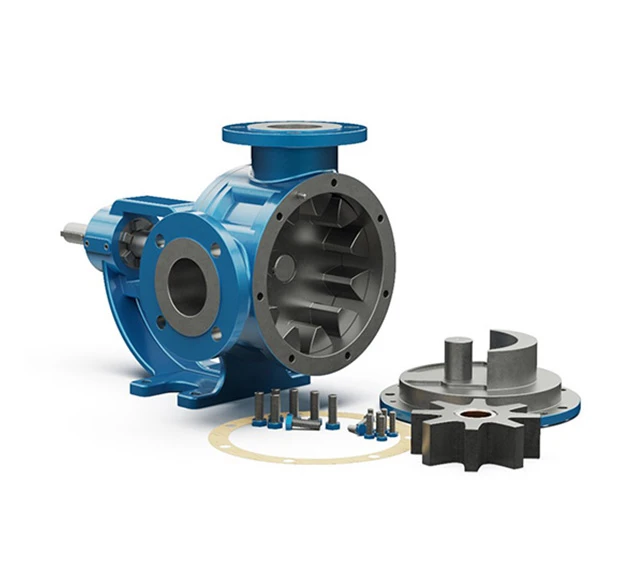
Reliable gear pump operation depends not only on selecting the right equipment but also on maintaining it correctly throughout its service life. Industrial pumps may operate for long periods under pressure, temperature changes, and demanding fluid conditions. Regular inspection and appropriate servicing can help identify problems early and reduce unexpected downtime.
When choosing a supplier, buyers should consider the maintenance and service support available from a gear pump manufacturer. Access to technical information, replacement components, troubleshooting guidance, and maintenance recommendations can make it easier to keep equipment operating reliably after installation.
Why Gear Pump Maintenance Matters
Gear pumps contain moving components that experience mechanical loads and fluid exposure during operation. Gears, shafts, bearings, bushings, and seals can gradually wear depending on operating conditions.
Routine maintenance helps monitor component condition and identify issues before they develop into major failures. It can also help maintain pump efficiency and reduce the risk of unplanned equipment stoppages.
The appropriate maintenance schedule depends on the pump design, operating hours, fluid, pressure, temperature, and environment.
Follow the Manufacturer’s Operating Guidelines
The first step in maintaining a gear pump is to operate it within its specified limits. Exceeding recommended pressure, speed, temperature, or viscosity ranges can accelerate component wear.
Operators should review the pump’s technical documentation before commissioning the equipment. Understanding the recommended operating conditions provides a foundation for effective maintenance.
Operating data should also be monitored over time so that unusual changes can be identified.
Monitor Pressure and Flow
Changes in pressure or flow can provide useful indications of developing pump problems. A gradual reduction in flow may be associated with internal wear, increased leakage, restricted suction, or changes in fluid properties.
Unexpected pressure changes can also indicate problems elsewhere in the system, such as blocked filters, restricted piping, or malfunctioning valves.
Keeping records of normal operating values makes it easier to recognize deviations.
Check for External Leakage
External leakage should be investigated promptly. Fluid escaping around shafts, seals, connections, or housing joints may indicate worn sealing components or other mechanical problems.
Minor leakage can become more serious if it is ignored. It may contaminate surrounding equipment, create safety concerns, or reduce system fluid levels.
Regular visual inspections can help identify leakage before it develops into a larger maintenance issue.
Maintain Fluid Cleanliness
Fluid contamination is one of the common causes of wear in fluid-handling systems. Particles can damage gear surfaces, bearings, bushings, and other internal components.
Suitable filtration and proper fluid-handling practices can help reduce contamination. Filters should be inspected and serviced according to the requirements of the system.
The cleanliness level required depends on the pump design and application.
Monitor Fluid Viscosity and Temperature
Fluid viscosity can affect gear pump performance and internal leakage. Temperature changes may alter viscosity and can also influence seals, bearings, and other components.
If the process involves significant temperature variation, operators should monitor fluid conditions and ensure they remain within the recommended range.
Unexpected changes in viscosity may also indicate fluid degradation or contamination.
Inspect Seals and Gaskets
Seals and gaskets help prevent fluid from escaping from the pump. Over time, they can deteriorate because of pressure, temperature, chemical exposure, or mechanical wear.
Inspection should focus on signs such as leakage, cracking, swelling, hardening, or other visible deterioration.
Replacement materials should be compatible with the pumped fluid and operating conditions.
Check Gears for Wear
The gears are central to the pumping process and can gradually wear under demanding operating conditions. Increased clearances between gear teeth and surrounding surfaces can reduce volumetric efficiency.
Signs of excessive gear wear may include reduced flow, increased internal leakage, unusual noise, or changes in operating temperature.
During scheduled maintenance, gears should be inspected according to the manufacturer’s recommended procedures.
Bearings, Bushings, and Shaft Condition
Bearings and bushings support rotating components and help maintain proper alignment. Wear in these components can contribute to vibration, noise, and shaft movement.
The shaft should also be checked for damage, scoring, excessive wear, or alignment problems.
The appropriate inspection method depends on the pump design and service environment.
Listen for Unusual Noise
Changes in operating noise can provide an early indication of mechanical or hydraulic problems. Unusual rattling, grinding, or whining may be associated with worn components, misalignment, inadequate fluid supply, or other system issues.
Operators should become familiar with the normal sound of the equipment so that unusual changes can be identified quickly.
Noise should always be considered alongside pressure, flow, temperature, and vibration data.
Monitor Vibration
Excessive vibration can indicate shaft misalignment, worn bearings, gear problems, improper installation, or issues elsewhere in the drive system.
Regular vibration monitoring can be especially useful for pumps operating continuously in critical industrial applications.
If vibration levels change significantly, the equipment should be investigated before continued operation causes additional damage.
Inspect the Suction System
A gear pump requires an adequate supply of fluid at the inlet. Restrictions in suction piping can negatively affect pump operation.
Potential problems include clogged filters, undersized piping, excessive bends, high fluid viscosity, and excessive suction lift.
Maintaining the suction system properly can help prevent performance issues that might otherwise be incorrectly attributed to the pump itself.
Importance of Proper Installation
Maintenance begins with correct installation. Poor shaft alignment, incorrect piping, unsuitable mounting, or improperly sealed connections can create problems from the beginning of operation.
The pump should be installed according to the applicable technical instructions. Drive alignment and piping conditions should be checked before commissioning.
Proper installation can reduce unnecessary stress on the pump and supporting equipment.
Replacement Parts and Service Components
Industrial buyers should consider spare parts availability when selecting a gear pump. Components such as seals, bearings, bushings, and other wear parts may eventually require replacement.
Access to original or properly specified replacement components can simplify maintenance and reduce downtime.
For customized or OEM pumps, buyers should confirm how replacement components will be identified and supplied over the expected service period.
Preventive Maintenance Planning
A preventive maintenance program can help companies move from reactive repairs toward planned servicing. Maintenance intervals should be based on operating conditions rather than an arbitrary schedule.
A basic program may include:
- Routine visual inspection
- Pressure and flow monitoring
- Fluid and filter checks
- Leakage inspection
- Temperature monitoring
- Vibration or noise checks
- Periodic component inspection
- Replacement of worn service parts
Critical applications may require more frequent monitoring and additional condition-based maintenance.
Troubleshooting Common Performance Problems
When a gear pump does not perform as expected, the cause may not always be a defective pump. Problems can originate in the fluid, piping, drive system, or other components.
For example, reduced flow may result from excessive internal leakage, a clogged filter, inadequate suction conditions, incorrect rotational speed, or changes in fluid viscosity.
A systematic troubleshooting process can help identify the actual cause before components are unnecessarily replaced.
Technical Support From the Manufacturer
Technical support can be valuable when maintenance teams encounter unusual operating conditions or recurring problems. Useful support may include installation information, maintenance instructions, troubleshooting guidance, and parts identification.
Before purchasing, buyers should determine what level of support is available and whether technical documentation is provided with the pump.
For complex industrial systems, access to accurate technical information can help maintenance teams respond more efficiently to equipment issues.
How to Choose a Manufacturer With Service in Mind
When comparing suppliers, buyers should evaluate maintenance considerations alongside initial product specifications.
Important factors include:
- Availability of maintenance documentation
- Spare parts support
- Replacement component availability
- Technical assistance
- Product documentation
- Repair or inspection guidance
- Long-term availability of the pump model
A supplier that can support the equipment throughout its service life may provide greater practical value than one focused only on the initial sale.
Final Thoughts
Effective gear pump maintenance involves more than replacing parts after a failure. Regular monitoring, proper fluid management, correct installation, suitable operating conditions, and timely inspection can help preserve pump performance and extend component life.
Industrial buyers should consider service requirements before purchasing equipment. By evaluating maintenance documentation, spare parts availability, technical support, and operating guidelines alongside product specifications, companies can establish a more effective maintenance strategy and reduce the risk of unexpected downtime.