

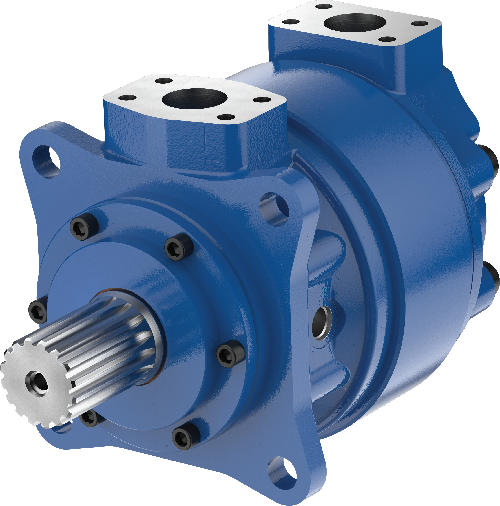
Hydraulic motors are widely used in machinery that requires controlled rotary motion, high torque, and reliable operation under demanding loads. Their ability to convert hydraulic energy into mechanical power makes them suitable for both mobile and stationary equipment.
When selecting a hydraulic motor manufacturer, industrial buyers should consider how the motor will perform within its specific application. Pressure, flow, speed, torque, duty cycle, environmental conditions, and mounting requirements can vary considerably between industries.
Hydraulic Motors in Construction Equipment
Construction machinery often operates under heavy loads, changing working conditions, and frequent pressure fluctuations. Hydraulic motors are therefore used in equipment where compact power transmission and high torque are required.
Common applications include excavators, drilling equipment, compactors, trenchers, and material-handling machinery.
Excavators
Hydraulic motors are used in several excavator functions, including travel systems and swing mechanisms. These applications require reliable torque and controlled movement.
The motor must be matched to the hydraulic pump, control valves, machine weight, and operating cycle.
Drilling Equipment
Drilling machinery can require high torque at controlled speeds, particularly when working through hard materials.
Motor selection depends on drilling resistance, required rotational speed, pressure, and the expected duty cycle.
Agricultural Machinery
Agricultural equipment operates across changing terrain and environmental conditions. Hydraulic motors can provide independent rotary power for implements and machine functions.
They are commonly found in equipment such as harvesters, seeders, sprayers, mowers, and specialized attachments.
Harvesting Equipment
Harvesting machinery may use hydraulic motors to drive conveyors, cutting mechanisms, fans, or other rotating components.
These motors need to maintain reliable operation while handling changing crop loads and long working periods.
Agricultural Attachments
Hydraulic motors can power rotary attachments such as mowers, brush cutters, augers, and other implements.
The appropriate motor depends on the attachment’s required speed, torque, available hydraulic flow, and pressure.
Material Handling Equipment
Material handling systems frequently require controlled rotation and consistent torque. Hydraulic motors can be used where electric or mechanical drive systems are less suitable.
Applications include conveyors, winches, lifts, and specialized handling equipment.
Conveyors
Hydraulic motors can drive conveyor systems in environments where variable speed and high starting torque are important.
Motor displacement and hydraulic flow should be selected according to conveyor speed, load, and acceleration requirements.
Winches
Winches often require high torque during startup and controlled movement during lifting or lowering.
Hydraulic motors can provide the torque characteristics required for heavy-duty winching applications, provided pressure and displacement are appropriately matched.
Mining Equipment
Mining machinery can operate under severe conditions involving dust, vibration, heavy loads, and extended operating periods.
Hydraulic motors are used in various mining systems where robust rotary power is required.
Applications can include drilling equipment, conveyors, cutting machinery, material handling systems, and specialized underground equipment.
Motor selection for mining environments should consider contamination, temperature, shock loads, and maintenance accessibility.
Forestry Equipment
Forestry machinery requires components that can handle variable loads and challenging outdoor conditions.
Hydraulic motors may power winches, cutting equipment, conveyors, harvesting mechanisms, and other rotating functions.
Durability and protection against contamination and moisture can be particularly important in these applications.
Marine and Offshore Equipment
Hydraulic drives can be useful in marine environments where equipment requires compact and controllable power transmission.
Hydraulic motors may be used for winches, cranes, steering systems, deck machinery, and other equipment.
Marine applications can expose components to moisture, salt, corrosion, and changing temperatures. Materials, coatings, seals, and maintenance requirements should therefore be evaluated carefully.
Industrial Manufacturing
Stationary industrial machinery can use hydraulic motors when controlled rotary motion and high torque are required.
Applications may include production lines, mixers, machine tools, material handling systems, and specialized processing equipment.
In industrial facilities, factors such as continuous operating hours, noise, efficiency, maintenance access, and temperature management can influence motor selection.
Plastics and Processing Equipment
Some processing machinery requires controlled rotary movement under consistent loads.
Hydraulic motors can provide adjustable speed and torque characteristics for equipment where hydraulic power is already available.
The motor should be selected according to the process requirements and integrated with the machine’s hydraulic control system.
Recycling and Waste Management
Recycling and waste-processing equipment can expose hydraulic motors to high loads, impact, contamination, and variable material conditions.
Motors may be used to drive conveyors, shredders, compactors, sorting mechanisms, and other rotating equipment.
For these applications, starting torque and resistance to intermittent heavy loads can be particularly important.
Food and Processing Industries
Hydraulic motors may be used in selected food-processing and packaging applications where hydraulic power is appropriate.
In these environments, equipment design may need to account for hygiene requirements, cleaning procedures, temperature, and potential exposure to moisture or cleaning agents.
The motor and its external materials should be compatible with the surrounding operating environment.
Oil and Gas Equipment
Oil and gas equipment can require high power density and reliable operation in demanding environments.
Hydraulic motors may be used in drilling support equipment, winches, pumps, valves, material handling systems, and other specialized machinery.
Depending on the location and equipment classification, additional safety, environmental, and compliance requirements may apply.
Road Construction Machinery
Road-building equipment often uses hydraulic systems for propulsion, compaction, material handling, and auxiliary functions.
Hydraulic motors can be found in compactors, milling machines, pavers, and related equipment.
The motor must be selected according to machine weight, travel speed, load conditions, and available hydraulic power.
Rubber and Industrial Processing
Rubber-processing machinery can require consistent rotary torque under demanding operating conditions.
Hydraulic motors may be used for mixers, rollers, conveyors, and other equipment where variable speed and torque control are useful.
Thermal management and continuous-duty performance can be important considerations in these systems.
Port and Cargo Handling Equipment
Ports rely on machinery capable of moving heavy loads efficiently. Hydraulic motors can provide the torque needed for cranes, winches, conveyors, and other cargo-handling equipment.
Because downtime can affect logistics operations, reliability and serviceability are important considerations when selecting motors for port equipment.
Specialized Mobile Equipment
Hydraulic motors are also used in equipment designed for specialized tasks, including utility vehicles, snow-removal machinery, cleaning equipment, and emergency-service machines.
These applications can have highly specific requirements for speed, torque, dimensions, and environmental resistance.
Choosing a Motor for Different Industries
Although applications vary, the selection process typically begins with the same fundamental specifications.
Pressure
Determine the normal operating pressure and identify any expected pressure peaks. The motor must remain within its specified pressure limits.
Flow
Available hydraulic flow directly affects motor speed. The motor should be compatible with the pump’s expected flow range.
Displacement
Displacement influences the relationship between flow, speed, and torque. Larger displacement generally favors higher torque and lower speed under comparable conditions.
Torque
Consider both starting and continuous torque requirements. Machines with heavy loads may need substantial torque during startup even if their normal operating torque is lower.
Speed
Determine the required rotational speed and whether it remains constant or changes during operation.
Duty Cycle
A motor used continuously for many hours can have different requirements from one that operates intermittently.
Environment
Temperature, dust, moisture, vibration, corrosive substances, and other environmental factors should be considered when selecting materials and seals.
The Importance of Motor Type
Different industries may favor different motor technologies.
Gear motors can be practical for relatively straightforward applications where cost, simplicity, and moderate performance are priorities.
Vane motors can provide useful speed and torque characteristics for suitable industrial applications.
Piston motors are often considered for demanding applications requiring high pressure, efficiency, or torque.
The correct choice depends on the complete operating profile rather than the industry name alone.
Customization for Industry-Specific Requirements
Standard motors may be sufficient for many applications, but specialized equipment can require customized configurations.
Possible modifications include mounting dimensions, shaft designs, ports, displacement, sealing materials, and other features.
Customization should be based on documented engineering requirements and validated through appropriate testing.
Maintenance Across Different Applications
Maintenance requirements vary according to operating conditions. Equipment exposed to dust, water, heavy loads, or long operating hours may require more frequent inspections than equipment operating in controlled environments.
Regardless of industry, clean hydraulic fluid, suitable filtration, proper lubrication where applicable, correct installation, and operation within rated limits are fundamental to motor reliability.
Questions for Industrial Buyers
When choosing a hydraulic motor for a specific industry, buyers should ask:
- What torque and speed are required?
- What hydraulic pressure and flow are available?
- Is the application continuous or intermittent?
- What starting loads will the motor encounter?
- What environmental conditions must it withstand?
- Which motor type is appropriate?
- Are customized mounting or shaft configurations required?
- What testing has been performed?
- What maintenance is recommended?
- Are spare parts and technical support available?
These questions can help narrow the selection to motors that are appropriate for the actual application.
Why Application Experience Matters
A manufacturer’s experience with a particular type of equipment can provide useful practical knowledge. Understanding common load patterns, environmental challenges, installation requirements, and failure modes can help support more informed motor selection.
However, industry experience should be combined with measurable technical information and application-specific engineering.
Conclusion
Hydraulic motors serve a wide range of industries, from construction and agriculture to mining, manufacturing, marine equipment, material handling, and specialized processing machinery. Each application presents different requirements for pressure, flow, torque, speed, durability, and environmental resistance.
For industrial buyers, the most important step is to match motor characteristics with actual operating conditions. Evaluating motor type, displacement, performance, installation requirements, maintenance needs, and supplier technical support can help ensure that the selected hydraulic motor delivers reliable performance throughout its intended service life.