

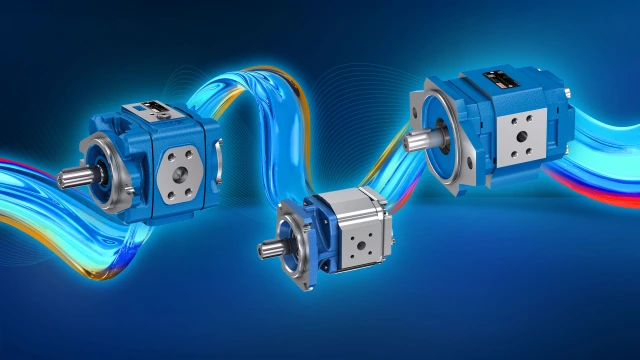
Sourcing hydraulic components internationally can give equipment manufacturers, distributors, and industrial buyers access to a wider range of products, production capabilities, and pricing options. However, global procurement also introduces considerations such as quality verification, communication, logistics, compliance, and supply continuity.
When selecting a hydraulic components manufacturer, buyers should evaluate the supplier from both technical and commercial perspectives. A suitable manufacturer should be able to meet the required specifications while providing consistent quality, realistic lead times, clear documentation, and dependable communication.
Define Your Hydraulic Requirements First
Before contacting manufacturers, establish the technical requirements for the components you need. Clear specifications make it easier to compare suppliers and reduce the risk of receiving incompatible products.
Depending on the component, relevant information may include:
- Operating and maximum pressure
- Required flow rate
- Dimensions and tolerances
- Materials
- Connection types
- Hydraulic fluid compatibility
- Temperature range
- Load and duty cycle
- Surface treatment requirements
For custom products, technical drawings, samples, or detailed application information can further improve communication.
Identify Suitable Manufacturing Markets
Different manufacturing regions may have particular strengths in hydraulic production, machining, metal processing, or component assembly. However, geographic location alone should not determine supplier selection.
Instead, buyers should compare manufacturers according to their actual production capabilities, quality systems, technical expertise, certifications, and ability to meet delivery requirements.
A supplier’s experience with international customers can also be useful because global orders often involve additional documentation and logistics requirements.
Verify Manufacturing Capabilities
A professional supplier should be able to explain how its products are manufactured and inspected. Buyers can ask about production equipment, machining processes, assembly procedures, testing methods, and quality control.
For custom or high-volume orders, it may also be useful to understand the manufacturer’s production capacity and ability to scale output.
The objective is to determine whether the supplier’s facilities and processes are suitable for the specific components being purchased.
Evaluate Product Quality
Quality should be assessed using technical evidence rather than marketing statements alone. Buyers can review product specifications, inspection procedures, material information, and relevant test results.
For important components, requesting samples can provide an opportunity to verify dimensions, workmanship, materials, and functional performance before placing a larger order.
Quality consistency across repeated batches is particularly important for long-term sourcing relationships.
Check Certifications and Compliance
Depending on the industry and destination market, hydraulic components may need to meet specific technical, safety, environmental, or material requirements.
Buyers should identify applicable regulations before placing an international order and confirm that the manufacturer can provide the necessary documentation.
Certifications can be useful indicators of a manufacturer’s quality practices, but they should be considered alongside actual production and testing capabilities.
Request Samples Before Large Orders
Samples are particularly valuable when purchasing from a new international supplier. They allow buyers to evaluate the product before committing to larger quantities.
Sample evaluation may include:
- Dimensional verification
- Material checks
- Surface inspection
- Pressure or leakage testing
- Installation compatibility
- Functional testing
For customized products, sample approval can also establish a reference standard for future production.
Understand Minimum Order Quantities
Minimum order quantities, or MOQs, can vary significantly between manufacturers. Standard components may be available in smaller quantities, while customized products may require larger orders to justify tooling, setup, or production costs.
Buyers should confirm MOQs before finalizing a sourcing strategy. A low unit price may not be beneficial if the required order quantity is much larger than actual demand.
Compare Total Landed Cost
The quoted factory price is only one part of the cost of global sourcing. Buyers should consider the complete landed cost of the components.
This may include:
- Product price
- Tooling or engineering costs
- Packaging
- International freight
- Insurance
- Customs duties and taxes
- Import-related fees
- Local transportation
Comparing total landed costs provides a more realistic basis for evaluating suppliers in different regions.
Review Lead Times and Production Capacity
International procurement requires careful planning because manufacturing and transportation can take longer than domestic sourcing.
Ask manufacturers about typical production lead times, current capacity, material availability, and how they handle urgent or unusually large orders.
For recurring purchases, buyers should also consider whether the supplier can maintain consistent production schedules as demand changes.
Consider Logistics and Shipping Options
Shipping arrangements should be discussed before placing an order. The appropriate method depends on product volume, weight, urgency, destination, and cost considerations.
Hydraulic components may require packaging that protects machined surfaces and prevents corrosion or contamination during transportation.
Buyers should also clarify shipping responsibilities and documentation requirements before production begins.
Address Communication and Language Differences
Clear communication is essential when technical specifications are involved. Even small misunderstandings about dimensions, pressure ratings, materials, or connection types can result in unsuitable components.
Using standardized drawings, specification sheets, photographs, and clearly defined measurements can reduce ambiguity.
It is also helpful to establish a consistent contact person or communication process for technical questions, order updates, and quality issues.
Protect Intellectual Property
Custom hydraulic components may involve proprietary machine designs, technical drawings, or engineering information. Buyers should consider how sensitive information will be handled before sharing detailed specifications.
Where appropriate, contractual protections such as confidentiality agreements can establish clear expectations regarding technical information.
Businesses should also determine how custom tooling, drawings, and design modifications will be managed.
Establish Quality Inspection Procedures
International buyers may benefit from defining inspection requirements before production begins. This can include acceptable tolerances, testing procedures, sampling levels, packaging requirements, and documentation.
For larger orders, third-party inspection may be considered when appropriate. The exact inspection approach should reflect the value and criticality of the components.
Clear acceptance criteria help reduce disagreements after products have been manufactured.
Plan for After-Sales Support
Supplier selection should include consideration of what happens after delivery. Buyers may need technical assistance, replacement components, clarification of specifications, or support when an issue occurs.
A manufacturer that communicates effectively after the sale can be easier to work with over the long term.
For critical components, buyers should also understand warranty terms and procedures for handling defective or nonconforming products.
Build a Supply Continuity Strategy
Relying on a single international source can create risks if production is interrupted by material shortages, transportation problems, regulatory changes, or unexpected demand.
For critical components, businesses may consider maintaining appropriate safety stock or developing secondary sourcing options.
At the same time, building a stable relationship with a dependable primary supplier can improve forecasting, production planning, and communication.
Start Small and Scale Carefully
A gradual sourcing strategy can reduce risk. Instead of immediately transferring a large volume of purchases to a new supplier, buyers can begin with samples or a smaller production order.
The initial order can be used to evaluate product quality, communication, packaging, delivery reliability, and documentation.
If the supplier consistently meets expectations, purchasing volumes can then be increased with greater confidence.
Create a Supplier Evaluation Checklist
A structured evaluation process can make global sourcing decisions more objective. Buyers can compare potential manufacturers across several categories:
| Evaluation Area | Questions to Consider |
|---|---|
| Quality | Does the supplier have effective inspection and testing procedures? |
| Manufacturing | Can its equipment meet the required specifications? |
| Capacity | Can it support current and future order volumes? |
| Lead time | Are production schedules realistic and consistent? |
| Cost | What is the total landed cost? |
| Documentation | Are technical and compliance records available? |
| Communication | Can technical issues be handled clearly? |
| Support | Are replacement and after-sales services available? |
Using the same criteria for each supplier makes it easier to identify strengths and potential risks.
Conclusion
Global sourcing of hydraulic components can provide access to competitive manufacturing capabilities and a broader range of technical solutions. However, successful international procurement requires careful evaluation of quality, production capacity, specifications, logistics, compliance, communication, and total cost.
The strongest sourcing strategy begins with clear technical requirements and uses samples, inspections, documentation, and supplier assessments to verify performance. By taking a structured approach, businesses can build reliable international supply relationships while reducing avoidable sourcing and operational risks.