

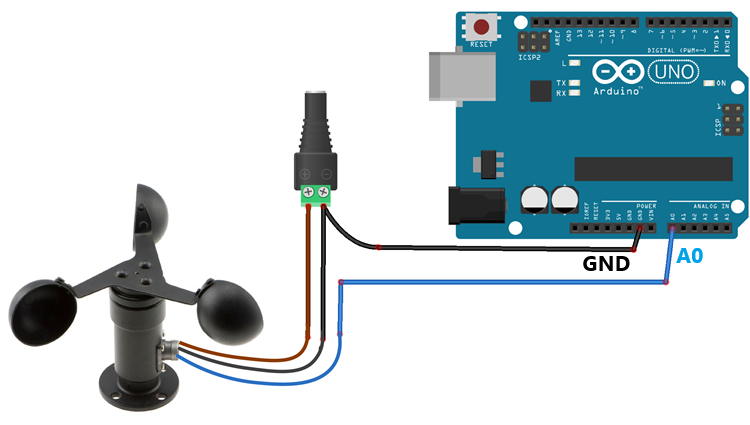
Wind speed sensors have long been essential instruments in meteorology, aviation, renewable energy, and environmental monitoring. These sensors measure the velocity of air movement, providing critical data for weather forecasting, turbine optimization, safety assessments, and research. Over the years, advances in sensor technology have led to more accurate, durable, and versatile devices, transforming how wind data is collected and utilized across industries. Understanding these innovations and current trends is key for professionals seeking reliable and high-performance wind measurement solutions.
A Wind Speed Sensor measures the flow of air and converts it into an electrical signal for analysis or control systems. Traditional mechanical sensors, such as cup anemometers, have evolved into advanced ultrasonic and digital systems that offer real-time data, minimal maintenance, and integration with automated monitoring platforms. These innovations are reshaping applications from weather stations to wind farms, providing more precise and actionable insights than ever before.
Ultrasonic Wind Speed Sensors
One of the most significant innovations in wind speed measurement is the development of ultrasonic sensors. Unlike mechanical sensors, ultrasonic wind speed sensors use the time-of-flight principle, measuring the time it takes for sound waves to travel between transducers. Wind affects this travel time, allowing the device to calculate both wind speed and direction with exceptional accuracy.
Ultrasonic sensors have several advantages over traditional cup or vane anemometers. They have no moving parts, reducing mechanical wear and maintenance requirements. Their fast response time enables real-time monitoring of gusts and turbulent conditions, which is particularly valuable for aviation safety, offshore wind farms, and severe weather studies. These sensors also perform well under extreme environmental conditions, including rain, snow, and ice.
Digital Integration and Smart Monitoring
Modern wind speed sensors increasingly feature digital output and connectivity options, allowing seamless integration into automated monitoring systems. Data from these sensors can be transmitted in real-time to control centers, weather stations, or energy management systems. This capability supports predictive maintenance, automated turbine control, and immediate decision-making in response to changing wind conditions.
Smart monitoring systems use advanced algorithms to analyze wind patterns, detect anomalies, and optimize performance in wind energy applications. Integration with Internet of Things (IoT) platforms allows remote monitoring, reducing operational costs and enabling faster responses to unexpected events. This trend toward digitalization has made wind measurement more efficient and accessible across multiple sectors.
Miniaturization and Portability
Another emerging trend is the miniaturization of wind speed sensors. Compact sensors can now be integrated into drones, handheld weather monitoring devices, and mobile research platforms. These portable sensors enable data collection in remote or hard-to-reach locations, supporting environmental studies, disaster monitoring, and field research.
Miniaturization also allows for multi-sensor arrays in a single installation, providing high-resolution wind mapping over larger areas. This capability is particularly valuable in urban environments, complex terrains, and offshore installations, where localized wind patterns can significantly affect safety and energy production.
Enhanced Accuracy and Calibration Techniques
Advancements in sensor technology have improved accuracy and precision, even under challenging conditions. Modern sensors use sophisticated compensation techniques to account for temperature, humidity, and pressure variations that could otherwise affect readings. Built-in diagnostics and self-calibration features help maintain consistent performance over time.
Frequent calibration is critical for wind speed sensors, especially in research, aviation, and energy production applications. Innovative calibration methods now allow sensors to be adjusted remotely or automatically, reducing downtime and ensuring reliable data without requiring frequent manual intervention.
Durability and Environmental Resilience
Environmental resilience remains a key focus in sensor development. New materials and protective coatings enhance resistance to corrosion, UV exposure, dust, and ice accumulation. For offshore wind farms, sensors must withstand extreme weather, salt spray, and high winds while continuing to deliver accurate readings.
Design innovations such as non-contact sensing, anti-icing mechanisms, and vibration-resistant mounting have improved the durability of modern wind speed sensors. These features extend operational life and reduce maintenance costs, making them more cost-effective over the long term.
Applications in Renewable Energy and Research
Wind speed sensors play a crucial role in renewable energy projects, where they optimize turbine placement, predict energy output, and ensure safe operations. Accurate, real-time data supports dynamic turbine adjustments and predictive maintenance, improving efficiency and reducing downtime.
In scientific research, advanced sensors enable high-resolution wind mapping, climate modeling, and studies of extreme weather events. The combination of digital connectivity, portability, and precision allows researchers to gather more comprehensive datasets than ever before.
Conclusion
Modern wind speed sensor technology has advanced significantly, driven by innovations in ultrasonic measurement, digital integration, miniaturization, durability, and calibration. These trends enhance accuracy, responsiveness, and environmental resilience, providing reliable data for weather forecasting, renewable energy, aviation, and research applications. By adopting these advanced sensors, industries and researchers can optimize performance, improve safety, and contribute to more efficient and sustainable energy systems.