

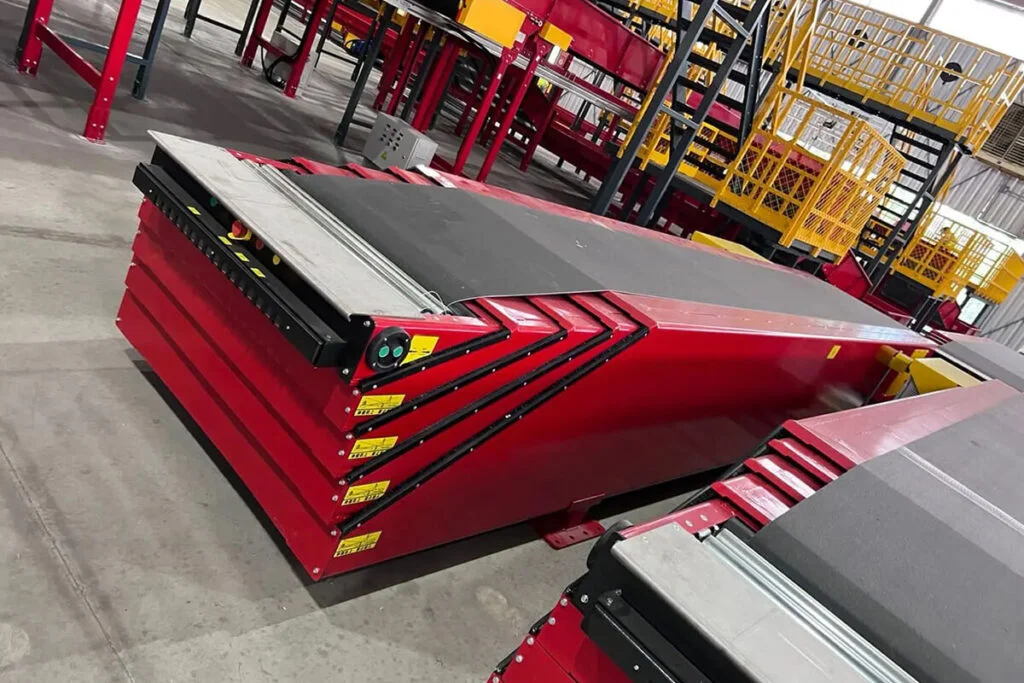
Efficient material handling is essential for modern warehouses, distribution centers, and logistics operations. The speed, safety, and accuracy of moving goods directly impact productivity, customer satisfaction, and operational costs. One of the most versatile tools for improving these processes is the telescopic conveyor, a system that can extend and retract to deliver packages directly into trucks, trailers, or storage areas. Selecting the right telescopic conveyor for your business is critical to ensuring maximum efficiency and long-term value.
A telescopic conveyor is designed to reduce manual handling, speed up loading and unloading, and improve overall workflow in warehouse operations. However, choosing the most suitable system requires careful consideration of factors such as operational volume, package types, dock configurations, and budget constraints. Making the right choice ensures that the conveyor integrates seamlessly into your existing processes while delivering optimal performance.
Determine Your Operational Needs
The first step in selecting a telescopic conveyor is to assess your business’s operational requirements. Consider the daily shipment volume, the frequency of loading and unloading tasks, and the types of goods being handled. Facilities that process high volumes of packages will benefit from conveyors with longer belts, higher speed capabilities, and automated features.
Smaller operations with moderate shipment levels may require a more compact and manually operated conveyor. By analyzing current workflows, businesses can identify the specific features and capacities needed to meet their operational demands effectively.
Assess Package Types and Sizes
Telescopic conveyors must be capable of handling the variety of packages processed in your warehouse. Consider factors such as package weight, size, and shape when selecting a system. Some conveyors are designed to transport lightweight parcels, while others can accommodate heavier cartons or irregularly shaped items.
Choosing a conveyor that matches your package types ensures smooth material flow and reduces the risk of jams or damage during handling. Adjustable height and width features can further enhance versatility, allowing the conveyor to align with different truck or trailer configurations.
Evaluate Loading Dock Configurations
The layout of your loading dock plays a significant role in conveyor selection. Telescopic conveyors are available in various lengths and extension capacities, and selecting the appropriate reach is crucial for efficient loading and unloading.
Consider the types of vehicles your business uses, including their size and the positioning of truck beds relative to the dock. A conveyor that extends fully into a trailer ensures packages can be delivered efficiently without requiring excessive manual handling. Proper alignment with dock infrastructure is essential for maximizing operational efficiency.
Decide Between Manual and Automated Options
Telescopic conveyors are available in manual and automated configurations. Manual systems rely on operators to push or pull the conveyor into position, while automated systems use motorized controls to extend, retract, and manage material flow.
Manual conveyors are typically more cost-effective and suitable for lower-volume operations. Automated conveyors provide greater efficiency, reduce labor requirements, and improve safety in high-volume facilities. Evaluating the trade-offs between cost, labor availability, and operational demands will help determine the most suitable option for your business.
Consider Safety Features
Workplace safety is a critical factor when selecting a telescopic conveyor. Look for systems with integrated safety mechanisms, such as emergency stop buttons, side guards, and collision sensors. These features protect employees from potential injuries during operation and ensure compliance with workplace safety regulations.
Additionally, ergonomic designs that minimize bending, lifting, or reaching can reduce worker fatigue and improve productivity. Investing in a conveyor with strong safety features is essential for long-term operational success.
Evaluate Maintenance Requirements
Maintenance considerations are often overlooked during conveyor selection but are critical for long-term reliability. Automated conveyors may require more frequent inspections of motors, sensors, and belts, while manual systems have fewer mechanical components to maintain.
Choosing a system with accessible components and straightforward maintenance procedures ensures minimal downtime and extends the life of the equipment. Preventive maintenance planning should be part of the decision-making process to avoid operational disruptions.
Assess Budget and Return on Investment
While initial cost is an important consideration, businesses should also evaluate the long-term return on investment (ROI) of the telescopic conveyor. Factors such as reduced labor costs, faster loading and unloading times, improved safety, and higher throughput contribute to overall efficiency gains.
A higher initial investment in an automated system may be justified if it significantly enhances productivity and reduces operational costs over time. Conversely, smaller operations may find that a manual conveyor provides a satisfactory balance of cost and performance.
Conclusion
Selecting the right telescopic conveyor requires careful evaluation of operational needs, package types, dock configurations, safety, maintenance, and budget. By considering these factors, businesses can choose a system that integrates seamlessly into their workflow, improves productivity, and enhances worker safety.
Investing in the appropriate telescopic conveyor ensures faster, more efficient, and safer material handling, allowing distribution centers and warehouses to meet growing logistics demands while maintaining high operational standards. The right choice can deliver long-term value and support sustainable growth for any business.